Solar Farm Projects in India: Large-Scale Solar Power Generation

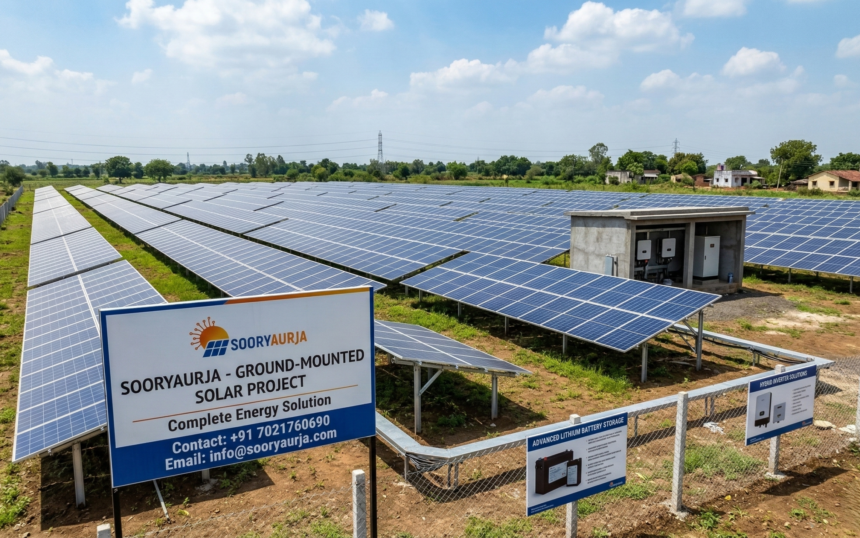
Solar farm projects are becoming one of the most important sources of renewable energy in India. With increasing electricity demand and the need to reduce carbon emissions, large-scale solar power plants are being developed across the country. These projects generate clean electricity by installing thousands of solar panels across large areas of land, producing power that can be supplied to the grid or used by industries and commercial facilities.
India’s favorable climate conditions make solar farms highly efficient. With abundant sunlight throughout the year, solar power plants can produce significant amounts of electricity while maintaining low operational costs. As a result, solar farms are playing a key role in helping India achieve its renewable energy goals.
What Is a Solar Farm
A solar farm is a large-scale installation of solar panels designed to generate electricity for the power grid or large energy consumers. These projects are typically built on open land and use ground-mounted solar panel systems that convert sunlight into electrical energy.
Solar farms are usually developed through EPC (Engineering, Procurement, and Construction) projects where specialized companies design, install, and manage the entire solar infrastructure.
Main characteristics of solar farms
- Large ground-mounted solar panel arrays
- Thousands of photovoltaic panels
- Central inverter or inverter room systems
- Grid connection infrastructure
- Monitoring and control systems
Solar farms are capable of generating electricity for thousands of homes and businesses.
How Solar Farms Generate Electricity
Solar farms operate using photovoltaic panels that convert sunlight into electrical power. The electricity produced by solar panels is initially in DC form and must be converted into AC electricity before it can be used in the grid.
The energy generation process involves several stages.
Solar farm electricity generation process
- Solar panels capture sunlight and generate DC electricity
- DC electricity flows through solar cables and combiner boxes
- Inverters convert DC power into AC electricity
- Transformers increase voltage levels
- Electricity is transmitted to the power grid
This process ensures efficient electricity generation and distribution.
Solar Farm Infrastructure Components
Solar farms consist of multiple components that work together to produce and deliver electricity efficiently.
| Component | Purpose |
|---|---|
| Solar Panels | Convert sunlight into electricity |
| Mounting Structures | Hold panels in the correct direction |
| Inverter Systems | Convert DC electricity to AC |
| Transformer Stations | Increase voltage for transmission |
| Monitoring Systems | Track performance and generation |
Each component must be carefully engineered to ensure the solar farm operates efficiently for many years.
Types of Solar Farm Installations
Solar farms can be built in different configurations depending on project size and land availability.
| Solar Farm Type | Description |
|---|---|
| Utility-Scale Solar Farm | Large solar plants supplying electricity to the grid |
| Captive Solar Plant | Built for specific industries or factories |
| Community Solar Farm | Shared solar generation for local communities |
Utility-scale solar farms are the most common in India and contribute significantly to renewable power generation.
Solar Farm Engineering and EPC Projects
Large solar farms are developed through EPC projects that involve detailed engineering, procurement of equipment, and construction of the power plant.
EPC project stages include
- Land assessment and feasibility analysis
- Solar plant design and layout planning
- Procurement of solar panels and equipment
- Installation of mounting structures and panels
- Electrical infrastructure development
- Testing and commissioning
Experienced EPC contractors ensure that solar farms are designed for maximum efficiency and reliability.
Advantages of Solar Farm Projects
Solar farms provide several economic and environmental advantages compared to traditional power plants.
Key benefits of solar farms
- Generation of clean renewable energy
- Reduction of greenhouse gas emissions
- Long operational lifespan of solar panels
- Lower maintenance costs
- Energy independence for industries and regions
These advantages make solar farms one of the most attractive investments in the renewable energy sector.
Solar Farm Performance Factors
The efficiency and energy output of a solar farm depend on several environmental and engineering factors.
| Factor | Impact on Solar Generation |
|---|---|
| Sunlight intensity | Higher sunlight increases electricity output |
| Panel orientation | Correct direction improves efficiency |
| Land conditions | Stable land ensures structural safety |
| System maintenance | Regular cleaning improves generation |
Proper system design and installation help maximize solar farm performance.
Maintenance of Solar Power Plants
Solar farms require regular maintenance to ensure long-term performance and safety.
Typical maintenance tasks
- Cleaning solar panels to remove dust and dirt
- Inspecting mounting structures
- Checking electrical wiring and connections
- Monitoring inverter performance
- Analyzing system data through monitoring platforms
Maintenance teams play a critical role in ensuring solar farms operate at maximum efficiency.
Economic Impact of Solar Farms
Solar farms not only produce renewable energy but also contribute to economic development.
Economic benefits include
- Job creation in engineering and installation
- Local infrastructure development
- Reduced energy costs for industries
- Growth of the renewable energy sector
Large solar projects attract investments and help strengthen the country’s energy infrastructure.
Future of Solar Farms in India
India is rapidly expanding its solar capacity to meet growing electricity demand. Government initiatives and renewable energy policies are encouraging the development of large solar power plants across multiple states.
Solar farms are expected to play a major role in achieving India’s long-term renewable energy targets. With advancements in solar technology and improved efficiency, solar farms will continue to provide reliable and sustainable power for the future.
Conclusion
Solar farm projects represent the future of large-scale renewable energy generation in India. By utilizing abundant sunlight and advanced solar technology, these installations provide a reliable and environmentally friendly source of electricity.
As demand for clean energy continues to grow, solar farms will become an essential part of the country’s energy infrastructure. Through careful engineering, professional installation, and efficient operation, solar power plants are helping create a more sustainable and energy-secure future.