- Your cart is empty Browse Shop
Solar Panel Maintenance and Inspection: Ensuring Long-Term Performance

March 11,2026
0
28
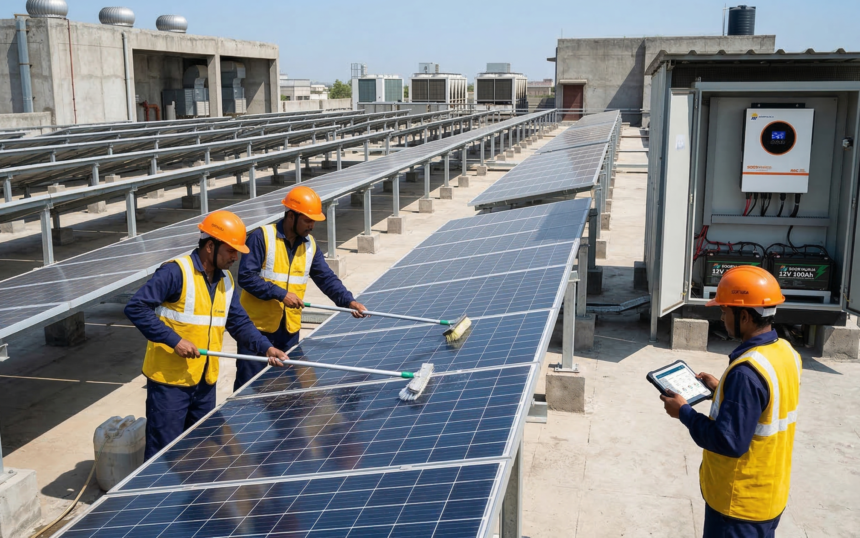
Solar power systems are designed to operate efficiently for decades, but like any electrical infrastructure, they require periodic maintenance and inspection to ensure optimal performance. Regular solar panel maintenance helps maintain energy production, extends equipment lifespan, and prevents potential system failures.
Although solar installations require relatively low maintenance compared to conventional power systems, routine inspections and cleaning can significantly improve system efficiency. Dust accumulation, loose electrical connections, and environmental factors can gradually reduce system performance if not addressed in time.
Proper maintenance ensures that solar power systems continue to generate reliable electricity for homes, businesses, and solar farms.
Importance of Solar Panel Maintenance
Solar panels are exposed to outdoor environmental conditions such as dust, dirt, rain, and temperature fluctuations. Over time, these elements can affect energy generation efficiency.
Regular maintenance helps detect small issues before they develop into major system failures.
Key benefits of solar maintenance include
- Improved electricity generation efficiency
- Extended lifespan of solar panels and equipment
- Early detection of electrical faults
- Reduced risk of system downtime
- Better return on solar investment
Routine inspections allow technicians to ensure that every component of the solar system is functioning correctly.
Common Solar System Maintenance Tasks
Solar maintenance includes both visual inspections and technical checks performed by trained technicians.
Typical maintenance activities include
- Cleaning solar panels to remove dust and debris
- Inspecting mounting structures for stability
- Checking electrical wiring and connectors
- Testing inverter performance
- Monitoring system output through software
These maintenance procedures help maintain maximum system efficiency.
Solar Panel Cleaning Process
Dust and dirt accumulation on solar panels can reduce sunlight absorption and lower electricity generation. Cleaning panels periodically helps maintain optimal performance.
The frequency of cleaning depends on environmental conditions such as pollution levels and rainfall.
Recommended panel cleaning methods
- Use soft water and non-abrasive cleaning materials
- Avoid harsh chemicals that may damage panel surfaces
- Clean panels early in the morning or late evening
- Use professional cleaning tools for large installations
Proper cleaning ensures solar panels receive maximum sunlight exposure.
Inspection of Mounting Structures
Solar panels are mounted on specialized structures designed to withstand wind loads and environmental stress. These structures must be inspected periodically to ensure stability.
| Inspection Area | Purpose |
|---|---|
| Mounting bolts | Ensure panels remain securely attached |
| Structural supports | Verify system stability |
| Corrosion checks | Prevent metal damage |
| Alignment inspection | Maintain correct panel orientation |
Proper structural inspection helps avoid safety risks and maintains correct panel positioning.
Electrical System Inspection
The electrical system is one of the most critical parts of a solar installation. Faulty wiring or damaged connectors can reduce energy production or cause system shutdowns.
Electrical inspection tasks include
- Checking solar DC cables and connectors
- Inspecting MC4 connections
- Verifying cable insulation
- Testing grounding systems
Technicians also verify that cables are properly secured and protected from environmental damage.
Inverter Performance Monitoring
The inverter converts solar panel DC electricity into AC electricity for use in homes and businesses. Because of its central role, inverter performance must be monitored regularly.
| Inverter Check | Purpose |
|---|---|
| Display monitoring | Verify system status |
| Temperature check | Prevent overheating |
| Error code analysis | Detect faults early |
| Output verification | Confirm proper power conversion |
Regular inverter inspections help ensure the entire solar system functions properly.
Solar Monitoring Systems
Modern solar systems include digital monitoring platforms that provide real-time performance data. These systems allow users and technicians to track energy production and detect issues quickly.
Monitoring systems help identify performance problems such as reduced output or equipment malfunction.
Monitoring data typically includes
- Daily electricity generation
- System efficiency levels
- Battery status (for hybrid systems)
- Grid export data
Remote monitoring allows technicians to analyze system performance without visiting the site frequently.
Preventive Maintenance for Hybrid Solar Systems
Hybrid solar systems include battery storage, which requires additional inspection and maintenance.
Battery systems must be checked regularly to ensure safe operation and long-term reliability.
Hybrid system maintenance tasks
- Checking battery voltage levels
- Inspecting battery cable connections
- Monitoring battery temperature
- Verifying inverter battery charging settings
Proper battery maintenance ensures reliable backup power during electricity outages.
Maintenance Schedule for Solar Systems
A regular maintenance schedule helps ensure solar systems operate efficiently throughout their lifespan.
| Maintenance Activity | Recommended Frequency |
|---|---|
| Panel cleaning | Every 2–3 months |
| Visual system inspection | Every 6 months |
| Electrical testing | Once per year |
| Professional maintenance | Annually |
Following a structured maintenance plan helps prevent unexpected system issues.
Role of Professional Solar Technicians
Solar system maintenance should be performed by trained technicians who understand electrical safety and solar engineering standards.
Professional technicians can identify potential problems that may not be visible during routine inspections.
Benefits of professional maintenance services
- Accurate system diagnostics
- Safe electrical inspections
- Preventive maintenance planning
- Long-term system reliability
Professional maintenance services help ensure that solar installations continue to operate efficiently for many years.
Long-Term Performance of Solar Systems
Solar panels typically have a lifespan of more than 25 years. With proper maintenance and inspection, systems can maintain high efficiency throughout their operational life.
Regular maintenance ensures that solar installations continue producing maximum electricity while reducing the risk of equipment failures.
Solar monitoring and preventive maintenance strategies play an essential role in protecting the long-term value of solar investments.
Conclusion
Solar panel maintenance and inspection are essential for maintaining the performance and reliability of solar power systems. Regular cleaning, electrical inspections, and monitoring help ensure that solar installations continue generating electricity efficiently.
By following a proper maintenance schedule and working with professional solar technicians, homeowners and businesses can maximize the benefits of their solar investment while ensuring safe and reliable energy generation for many years.